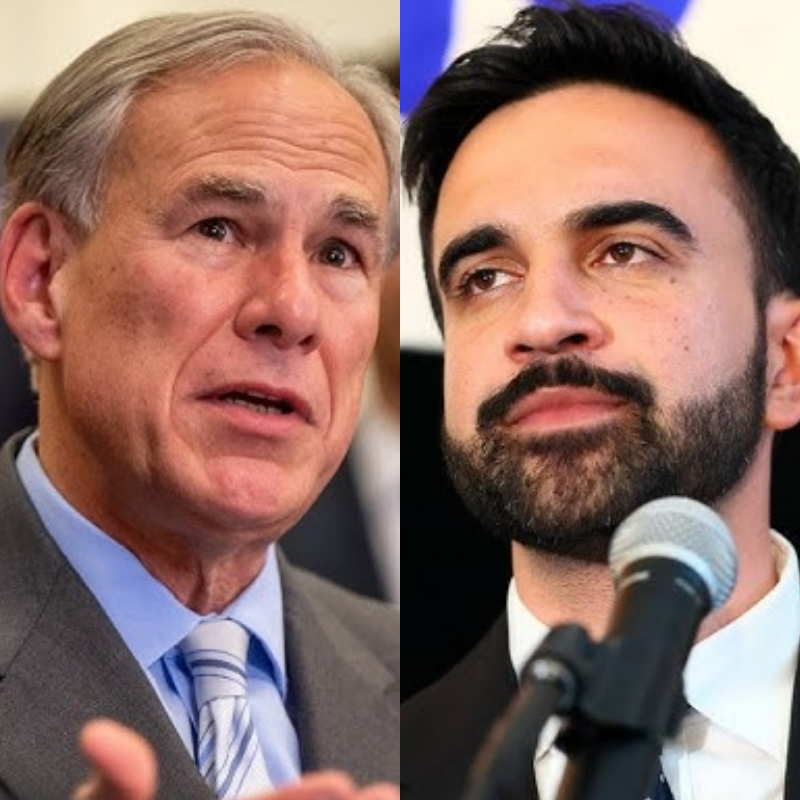

In a provocative and headline-grabbing move, Texas Governor Greg Abbott recently threatened to impose a 100% tariff on anyone moving to Texas from New York City after polls close tomorrow night. The threat, initially tweeted by Abbott, has sparked widespread discussion about the ongoing political and cultural tensions between red and blue states in the United States, as well as the broader implications of internal migration patterns fueled by ideological divides.
The Threat That Captured Headlines
Governor Abbott’s tweet, though widely interpreted as a tongue-in-cheek jab, was taken seriously by some media outlets such as the New York Post. The message reflects a growing concern among conservative states like Texas and Florida about an anticipated influx of residents fleeing more liberal, high-tax states such as New York and California.
Texas and Florida have long been popular destinations for Americans seeking lower taxes, less regulation, and a different political climate. This migration trend has accelerated in recent years, with many residents from progressive urban centers relocating to traditionally conservative states in search of better economic opportunities, affordable housing, and safer communities.
One of the defining features of the United States is its federal system, which allows relatively easy movement between states. Unlike many other countries where internal migration can be complicated by bureaucratic or legal hurdles, Americans frequently relocate to pursue jobs, better living conditions, or political environments more aligned with their values.
This ease of mobility has led to significant demographic shifts. For example, many Californians have moved to Texas cities like Austin, bringing with them their political preferences and cultural attitudes. This influx has altered the political landscape in some traditionally conservative areas, sometimes causing friction with long-time residents.
The Political Paradox of Migration
A notable paradox emerges from these migration patterns: while people often move to states with more conservative governance, they sometimes bring their liberal political views with them. This phenomenon has been observed in Texas, where newcomers from California and New York have contributed to the growth of Democratic voting blocs in cities like Austin, which now face challenges similar to those in the liberal cities they left behind.
Governor Abbott’s tariff threat can be seen as a symbolic expression of frustration with this dynamic. Many Texans worry that the influx of liberal migrants could undermine the state’s conservative political identity and policies.
Zohran Mamdani could be New York’s next mayor. His path has been part Barack Obama, part Donald Trump – ABC News
Voices from the Ground: What Matters to Voters?
To understand the political dynamics at play, it’s crucial to hear from voters themselves. A New York woman interviewed in the discussion highlighted key issues influencing her vote: opposition to aggressive immigration enforcement, support for gender-affirming care for youth, and concerns about racial profiling justified by the Supreme Court. These issues resonate strongly with affluent, left-leaning voters who form a powerful and consistent voting bloc, often described as affluent white female leftists.
This demographic has been instrumental in supporting progressive candidates and policies, including those championed by figures like New York Governor Kathy Hochul. Their priorities often contrast sharply with the concerns of conservative voters in states like Texas.
The Culture Wars and Political Polarization
The debate over migration and political identity is just one facet of a broader culture war gripping America. Issues such as immigration policy, healthcare access for undocumented migrants, gender identity and rights, and racial justice have become deeply divisive.
Currently, the U.S. government is experiencing a shutdown due to disagreements between Republicans and Democrats, particularly over whether illegal migrants should receive healthcare. This standoff reflects the growing polarization and the difficulty in finding common ground on contentious social issues.
The Left’s Shift and Its Impact on Politics
Observers note a significant shift within the Democratic Party over recent decades. Policies once considered politically untenable, such as more open immigration and expanded rights for transgender individuals, have gained traction among progressive activists and politicians.
This shift has energized a dedicated base but also alienated some moderate voters. The focus on issues like gender-affirming care and social justice sometimes overshadows economic and public safety concerns, creating a complex electoral landscape.
Youth and the Changing Political Landscape
Interestingly, while affluent leftist voters remain committed to progressive causes, there is a growing movement among younger Americans rejecting leftist ideology. Events organized by conservative groups such as Turning Point USA have attracted large crowds of college students, signaling a shift in political engagement among youth.
Many young conservatives are drawn to messages emphasizing personal responsibility, traditional values, and a desire for meaning and purpose beyond identity politics. The rise of Christian conservatism among younger voters highlights a yearning for stability and community in a rapidly changing world.
Greg Abbott – Wikipedia
The Decline of Trans Identification Among Youth
Recent data shows a notable decline in the number of young people identifying as transgender in the U.S. In 2022, nearly 7% of undergraduates identified as trans, but that figure dropped to 3.6% last year. This suggests that the surge in gender non-conformity may have been driven in part by social contagion and cultural trends rather than stable identity factors.
Despite this decline in the U.S., countries like Australia remain outliers, continuing to promote early gender identity exploration even among very young children, raising concerns among critics about the appropriateness of such policies.
Parental Concerns and Education
Parents in places like Queensland, Australia, have faced pressure to accept non-binary pronouns for kindergarten-age children, sparking debates about the role of education and parental rights. Critics argue that foundational skills like reading and writing should take precedence over complex social issues like gender identity, which might be better addressed at a later age.
The controversy reflects broader tensions over how societies educate children about identity, diversity, and inclusion amid rapidly evolving cultural norms.
Conclusion: A Nation Divided but Changing
The threat of a 100% tariff by Texas Governor Abbott on New Yorkers moving to Texas may have been partly rhetorical, but it underscores real and growing tensions in American politics and society. Migration patterns reveal deep ideological divides, with people seeking places that reflect their values but also bringing their beliefs into new communities, reshaping political landscapes.
At the same time, shifting demographics, generational changes, and cultural debates about identity, immigration, and governance continue to fuel polarization. Yet, the rise of politically engaged youth on both sides of the spectrum offers hope for renewed dialogue and democratic participation.
As the nation navigates these challenges, the balance between freedom of movement, political identity, and cultural cohesion remains a defining question for America’s future.


